In the Media
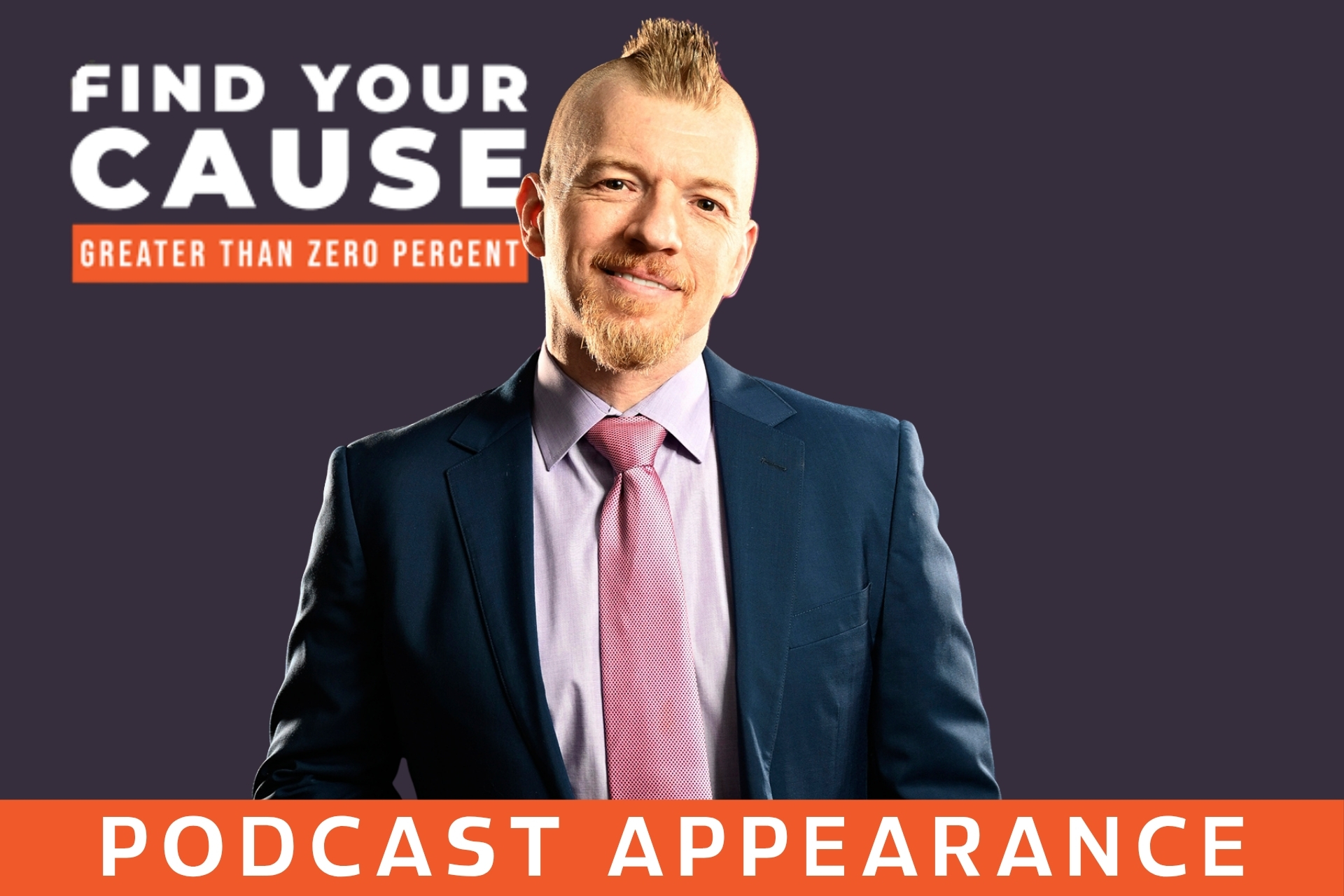
Turning Words into Action: Shane Lukas on Let’s Have This Conversation
How values-led leadership, harm reduction, and collaborative storytelling bridge the gap between stated beliefs and organizational culture.
In a workplace and cultural landscape defined by rapid change, leaders are increasingly challenged to prove their organizational values exist as more than just text on a website. When beliefs are tested by conflict, uncertainty, and real-world decisions, what does true values-led leadership actually look like?
In this episode of Let’s Have This Conversation, host Kevin McShan sits down with Shane Lukas—activist, speaker, harm reductionist, award-winning designer, and founder of A Great Idea. Drawing on lived experience, grassroots community organizing, and decades of creative leadership, Shane explores how mission-driven organizations can move beyond good intentions to build culture, trust, and real-world social impact.
Key Discussion Points
- Closing the Values Gap: Why organizations struggle to align daily operations with stated principles—and how leaders can connect core values directly to workplace culture and executive accountability.
- Harm Reduction & Human Dignity: Applying principles from harm reduction and activism to leadership, ensuring people are treated with agency and given the resources needed to make informed decisions.
- Lessons from Grassroots Movements: What business and non-profit leaders can learn from community organizers, queer liberation, and racial justice movements to foster equitable, participatory environments.
- Storytelling as Structural Support: Utilizing shared narratives to deepen trust, encourage community engagement, and navigate cultural complexity during periods of organizational change.
Notable Takeaways & Action Steps
- Audit Decisions Against Beliefs: Regularly evaluate operational choices against your stated principles. If a value doesn't influence your priorities or response to conflict, it isn't serving as a true organizational value.
- Shift from Top-Down to Participatory Culture: Embrace shared responsibility by listening to key advocates and community members early, ensuring digital and physical spaces invite active participation rather than passive consumption.
- Lead with Empathy and Agency: Treat employees, partners, and supporters with fundamental dignity, equipping them with clear information and trust to navigate complex challenges.