Sonca N. Interview: AGIdealist Microgrants 2025 Grantee
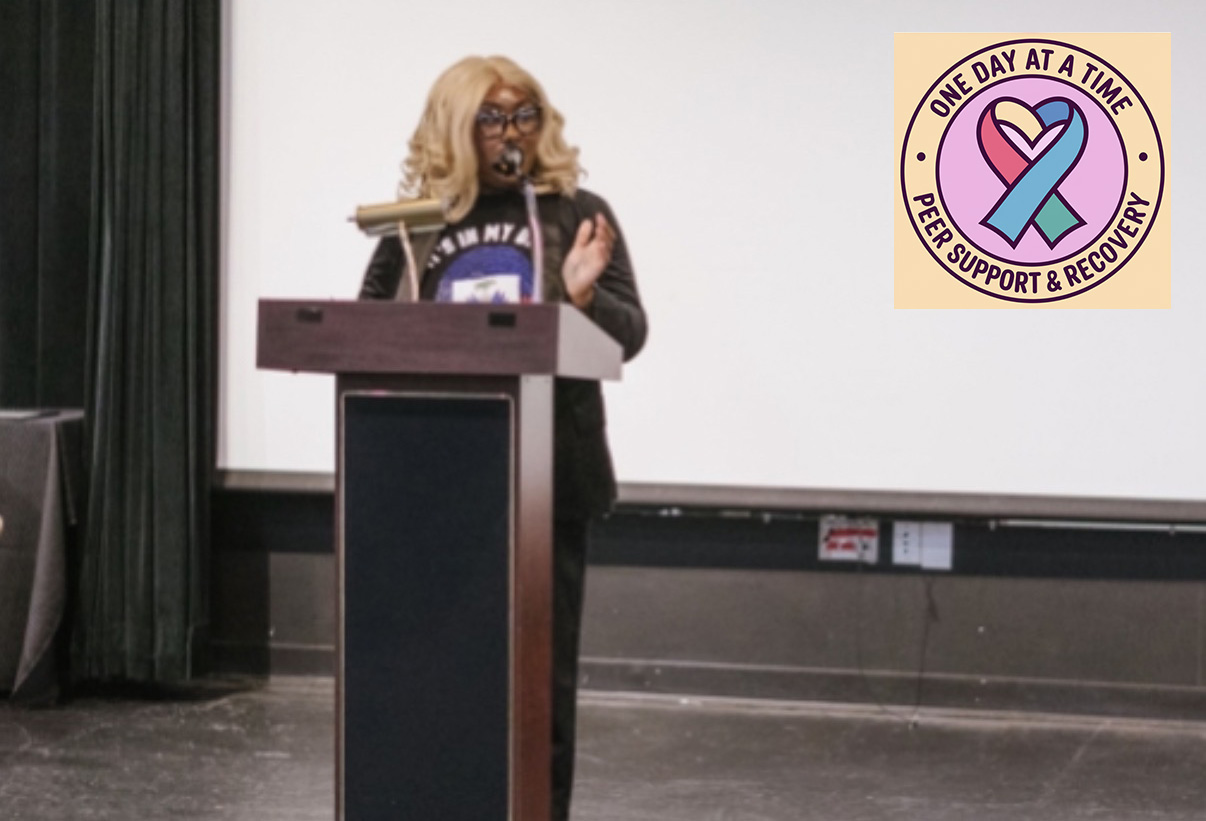
Based in Missouri, Sonca N. is a songwriter and music professional creating collaborative workshops for emerging songwriters. These workshops combine hands-on writing sessions with mentorship around publishing, splits, and industry navigation, helping young creatives better understand the artistic and business sides of songwriting.
In 2025, Sonca was one of ten recipients of the A Great Idealist Microgrant. Her project focuses on creating intensive, accessible training spaces for underrepresented songwriters, especially women of color.
This interview is with Sonca N.
Could you introduce yourself and your project?
Hello! My name is Sonca. I am based in Missouri, and I'm a songwriter. That goes into my project, which is a hands-on workshop/learning experience on how to be a music professional. A lot of the workshops that I've been to or experiences that I've had, I haven’t seen in the Midwest, specifically in St. Louis.
Professionals right now are busy working, so we don't get to see how to actively be a songwriter or be a professional in the music industry. With my hands-on working experience, my goal is to bring this experience to underprivileged students, specifically women or people of color.
Can you talk a little bit about your work and experience as a songwriter and music professional?
I actually started in audio, where I focused on mixing and studio recording. Then, I moved on to intern at one of the biggest commercial studios in the city. We do a lot of big podcasts, commercials, voiceovers, and bigger recording artists. I got into songwriting two to three years ago. That shift happened because I wanted to be a part of the creative process.
I started off with a technical background, but I kept getting involved in the rooms as a producer or a recording engineer. Then, it shifted to: “I have some ideas for songwriting, let's put it in there.” Professionally, as a writer, I just got signed to a company. Now I'm actively working professionally as a songwriter, which is still so crazy to say!
How does that feel for you?
It feels great! Songwriters have the least amount of advocacy and representation. For me to be able to work with a label that cares about me and wants to invest in me and continues to pitch my songs and fight for the songs that I've written—that makes me feel empowered. It makes me feel like a professional. They're handling a lot of the business side, so I can focus on my craft. Especially as a musician, you want to be able to do as much as you can in your expertise: creating music. You don't want to think about contracts. It's really nice to have that.
Can you talk a little bit about your experience?
The songwriting camp I went to was the first moment for me where I thought, “Oh wow, this is another scale. This is something that's not just a hobby.” When I was working with these people, I saw—especially because I'm very hard on myself and my work ethic and trying to be at the same level—some differences between what I knew and what they knew. For me to feel that unprepared in these sessions that I was selected for, I wanted to bridge that gap: what can I learn from this experience? How do I work with these people who are very talented from all over the world? They have huge placements, and they're being invited every year. How can I continue to do this for myself, and also for my peers?
I have amazing collaborators in the Midwest, in general, and in my city who I have worked with for so long. They are incredibly capable. But even for me, I thought, “Am I supposed to be here?” It was a learning experience, and in every session that I do, I'm learning something to take back home—and that's always the intention.
What does limited access for songwriters in the Midwest look like?
We don't necessarily see songwriting as a career; it's more of a hobby. Because of that, you're limited to what you can do. Someone recently asked me, “How did you even get into this career? I didn't even think that was an option for me.” They don't even consider this as a possibility. The first thing that you think of for music is, “You're either going to blow up and be a big artist, or you're gonna work behind the scenes.” Which puts heavy limitations on an incredibly expansive and growing music industry.
The whole music industry has many positions and opportunities that we don’t see because of a lack of representation in the Midwest. Universities are improving on providing up-to-date education in the workforce, but when I was in university, it was more technical material, such as studio recording and live audio work. There are basic things that we need to know to be protected and to be considered as working individuals. We don't have that. It should expand to your basic needs: publishing, figuring out splits, getting paid, collecting for a song that you've written, lawsuits, intellectual properties, etc.
What barriers do young women and songwriters of color face when trying to break into the industry, whether songwriting as a career or the music industry generally?
In general, the opportunity is very rare. If I do see women, I rarely see women of color, especially Southeast Asian women. The opportunity is never really there unless you are very proactive about it. Every session that I've done previously, I've always had a hand in trying to get it to happen. Either I'm actively reaching out to artists, actively reaching out to companies, or my label's doing it for me. There was no way I would have been able to get in.
As a woman of color, you don't really get invited to these sessions unless it’s criteria, like if another Asian woman or a person of color is inviting me to the session and they want the diversity. I want to be invited for my skill, not just because I'm a woman of color—but it's nice to be invited for both. It's very hard to get invited to these sessions, especially if you don't have any awareness or support around you. In a small city, no one really knows if you're writing unless you know people. It's very difficult to break into the industry.
You are assigned to a label now? Before then, were you songwriting solo and trying to handle all of the promotion and outreach?
I'm a very Type A person. I love to be a part of as many things as I can. Before, I was very independent, very proactive. I would write for myself—nothing that was good enough to be presented or released—and collaborated and worked with local artists that I'd made friends with or reached out to. I did a lot of things independently, and I started actively working with local artists. That was my start to songwriting. That was what I was doing independently until I got signed. Now, they have responsibilities for me to do and specific projects that they assign.
That's cool. How is the personal experience different?
It's a lot more believable for me now. You can feel the shift. When I was working independently, it was like, “Oh, this is so fun! We're doing this for fun!” There are no thoughts about “I'm gonna collect this,” “I'm gonna charge for this,” or “We're gonna figure out the splits because this is a professional gig.” I didn't ever think about that. It was for the love of music. Now, the shift has been: I get to do what I love, and I'm getting taken more seriously.
When you're working independently, you don't have anyone representing you except yourself. Now, with the company and their caliber and their network, they have a platform that I probably could have never reached until way, way later.
What has it meant for you to navigate this industry?
It's a learning experience for me. I'm just now breaking into the industry. I'm learning a lot of things that I maybe shouldn't have done when I was independent. As I keep doing sessions, I'm learning something new, and I'm learning how to gather that information for the next. It's really just trial and error: doing one thing, doing it well or not, and then doing better.
Can you talk about the songwriting workshop you’re building?
I did a trial session, which was something that I've never really done before. I've been a part of multiple camps or multiple sessions, but had never hosted anything. When I did this trial, I had two mentees that I really trusted and saw a lot of potential. That was what led to my idea for the workshop and what we've been doing so far. You have writers in a room, and they don't know each other. They might have different areas of expertise: maybe one person is stronger vocally, and the other person is stronger lyrically. It's testing the waters and guiding everyone through the process.
You come into a session, present a brief, which is the prompt of who you're supposed to be writing to, this is what they want, how do we make that happen? Then everyone does their job. At the end of the day, you have a song. Getting to that point is a lot easier said than done. You're still navigating relationships. They have to be comfortable with each other. What is the story about? What are we going to write about and talk about? I'm guiding the writers to think on their own. How do we put pen to paper? How do we get that song digitally produced and ready for people to hear?
You also have to ask, “Does this sound like the artist that we're pitching to? Is this a song that they would be doing?” Then you have your creative process of producing and recording everything. Then, when everything is done, the demo is ready to be sent over to a label or to an artist—how do you differentiate splits, and how does that conversation go? That's the thing that most people try to avoid, which is what I want to advocate the most in these sessions.
After the session, how do we have a conversation to establish royalties and payout?
I hear you honing in on imparting the business acumen of it all. Why do you feel like it's important to demystify those parts of songwriting in the music industry?
It's not something that you would think to be taught. It’s scarier when numbers come into play. I want people to know that it's very common to ask for your rights as a songwriter. It's very common for us to negotiate and know that we have a say, that we have a percentage. It should be a natural conversation, and people thought, “Oh yeah, of course you get fifty percent. You worked on half of the song.” I'm trying to make it a common practice.
When people are afraid of talking about money, they almost always get underpaid.
Of course. If you never ask for it, you're never gonna get it.
Have you learned anything from those trial run experiences that shape how you do that moving forward?
In one of the first camps that I hosted, I tried to reach high, and I was like, “Oh, we could probably do two songs, three songs even, today.” That was a little bit of a stretch for me to expect.
Going forward, it's taking into consideration that I know that they're capable of doing that, but you don't want to overstimulate or overstretch someone in their ability. Putting all of our energy into one song is way more important than trying to get three demos done for a brief. I've learned to go at everyone's pace; if I can see that we're going to be focusing on one song that day, we pivot. Then continuing to push them so that they can do it on their own, so that I'm not there all the time.
Could you speak a little to the logistics of how you're organizing the workshops?
We start with a big debrief in the morning, just introductions. Conversation is super important to me. I don't think you can get comfortable writing very vulnerable lyrics or opening yourself up to people if you don't know them. So, we'll do introductions in the morning, a little breakfast at the same time, and then conversations. Then we open up with, “This is the brief, let's take a listen to everything that this artist has. What can we do differently? What do they like? What do they generally sound like? And the tone that they're looking for?” Breaking down what they want logistically.
From there, it's a creative process. making the song while people are writing the lyrics to it, or starting off lyrics first with an instrument—it just depends on what's needed at the time. We always have a two PM crash where everyone starts to get a little bit hungry, a little bit tired. That's a great time for a break, to relieve yourself from any ear fatigue, and think about other things than the song. When you get back into it, you finish the song and record it. That’s what has been working so far.
How do you see the workshops and trials that you are hosting building a bridge between the people you're around in St. Louis and the global industry?
A lot of people think that you have to move to LA or New York or a bigger city—which is partially true, it is helpful—but if they don't know who you are or you're not actively promoting yourself, they're never going to be able to see your projects or what you're doing. So, if I'm signed to a label in LA, why can't my friends be? That's not impossible, right? Building the bridge of, “Oh, I did this song, and I sent it to my label in LA, and they love it. Also attached to the song is my collaborator in St. Louis, or Nashville, or any other city.”
In terms of the project that you are working on, what does success look like for you?
It’s successful if I can actively see in the session that they're taking stuff away from it. If I'm doing a session, and I see that one of my younger co-writers that I've mentored is taking over. “Oh, I actually like the way that this sounds,” or “I like this, what if we go in this direction?” and that they're comfortable doing it themselves and being their own independent participant. That's the most important thing. If it was a successful session because I guided them well, then I’ve missed the point.
You’re talking about people developing a sense of autonomy over the session and songwriting process. Are there any other changes that you hope for?
Songwriting is a collaborative experience. If we're writing the same songs with the same people, you're going to get very similar results to your last song. Their continuing to be collaborative outside of what I can give them is the change I would like to see.
What does it mean to you personally to be creating an opportunity like this that you didn’t have when you started?
Every session that I've been in has always been with a male producer who was very well-developed in the industry. I didn't ever see anyone who looked like me. I’d love to continue to collaborate with more women and actively invite them to sessions so we can break that stigma.
Is there anything you would like to promote or talk about?
The Mechanical Licensing Collective. They actively collect for songwriters domestically, and you don't have to pay them for a service; it's something that's required. They only collect if you register, so that's very important. It’s another way for songwriters to get more leverage and representation on our end.
Then, Song Trust is an independent publisher. As an independent artist, it would be great to always have a label to talk to. You can use an independent service called Song Trust, and they represent you.
Sonca’s commitment to making knowledge more accessible resonates deeply with us. By treating songwriting as a collaborative skill to be shared and practiced, she's demystifying the music industry and empowering women of color as songwriting professionals.
Her workshops answer questions most of us are afraid to ask: How do you technically navigate a writing session? How do you advocate for yourself? How do you protect your work and get paid fairly for it? By creating intentional space to have these conversations, Sonca’s project grows her local creative ecosystem by making industry knowledge transparent and attainable.
At A Great Idea, we firmly believe meaningful change takes place when we bring our resources back to our communities and level up together. If you have a project or idea that can do that, we’d love to be your partner in making it happen. Get in touch with us and let’s do something great!